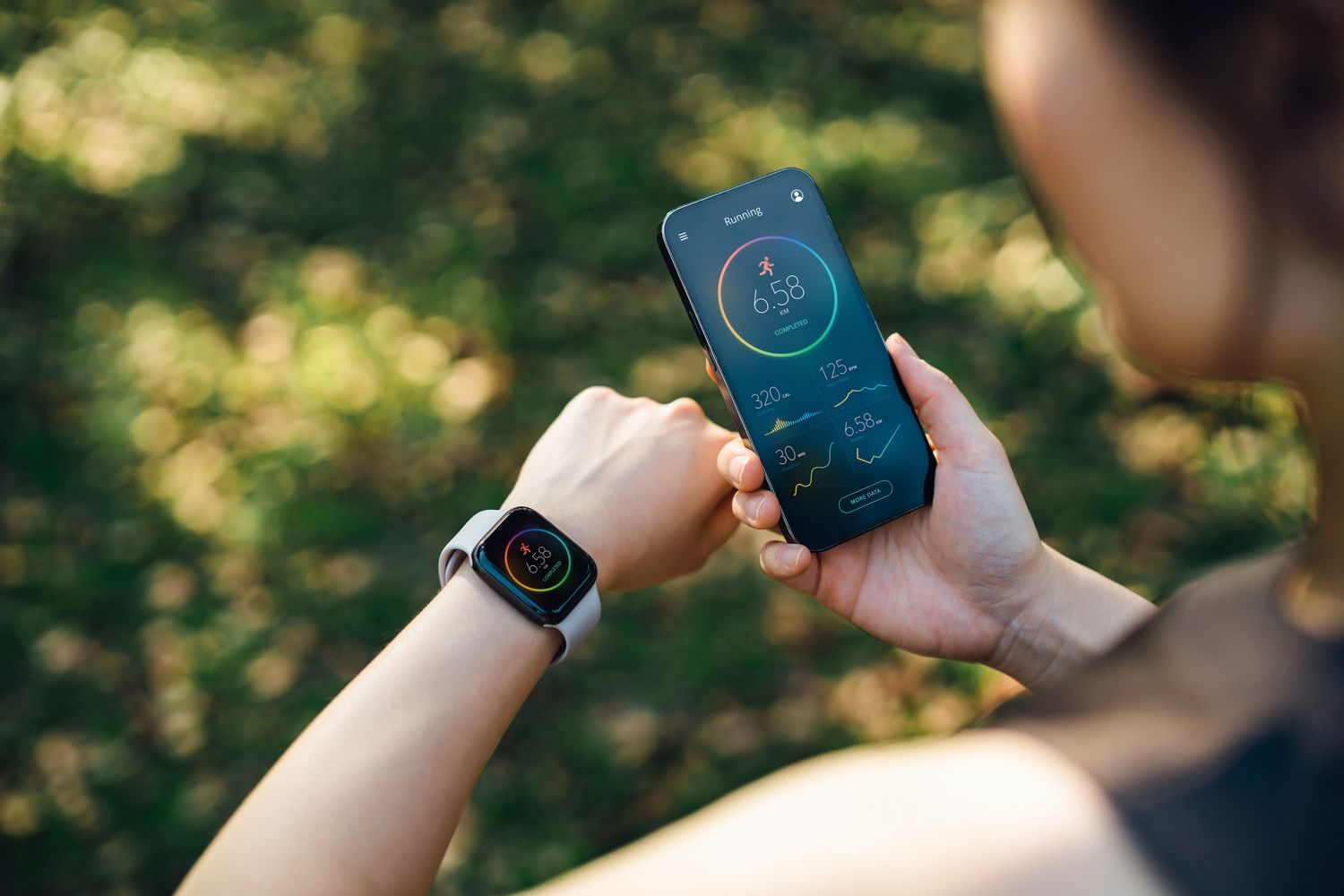
A thin, needle-like filament painlessly entered my tricep, and within seconds, vital health data began flowing to my iPhone. For years, this level of biological insight was gated behind a doctor’s prescription and a diagnosis of diabetes. But as of 2026, the landscape has shifted entirely. The question isn’t whether you can get a Continuous Glucose Monitor (CGM) anymore; it’s which platform turns that raw data into a roadmap for your longevity.
Metabolic health is the foundation of vitality. If your blood sugar looks like a roller coaster, your energy, mood, and long-term health will follow suit. The 2026 market allows users to purchase biosensors like the Dexcom Stelo and Abbott Lingo directly from retailers like Walgreens or Amazon without a medical prescription, effectively democratizing the "Quantified Self" movement.
Quick Takeaways: The Best OTC CGMs of 2026
- Best for Beginners: Abbott Lingo. At $49 per sensor, it is the most affordable entry point for those who want simple food logging and glucose tracking.
- Best for Data Integration: Dexcom Stelo. This is the choice for the "data scientist" personality, offering seamless flow to Oura Rings and Apple Health.
- Best for Holistic Biohacking: Ultrahuman M1. Pairs the hardware with an ecosystem that includes sleep and movement data.
- Best for Weight Loss: Signos. Uses AI to tell you exactly when you are in a "fat-burning zone" versus a glucose spike.
The 2026 Metabolic Revolution: Why Everyone is Wearing a Sensor
We have officially moved past the era of the "periodic check-up." Relying on an annual fasted blood draw to understand your metabolic health is like looking at a single frame of a movie and trying to guess the ending. Real-time glucose tracking provides a "direct feedback loop" that outperforms periodic tests by showing you how your unique biology responds to a specific meal, a stressful meeting, or a poor night's sleep.
Athletes and health-conscious individuals can now use OTC CGMs without a doctor's visit. This shift is significant because it allows for preventive care before metabolic dysfunction sets in. Modern biosensors, such as the FreeStyle Libre 3 (the tech powering many OTC versions), provide immediate feedback. In fact, most users identify significant metabolic patterns within the first 24 hours of application. You might discover that your "healthy" morning oatmeal sends your glucose into the stratosphere, while a high-protein breakfast keeps you stable until lunch.

Tier 1: The Best Standalone OTC Sensors (Budget-Friendly)
If you are just looking for the hardware and a clean app to track your trends, the standalone market has matured rapidly.
Abbott Lingo: The Gateway to Glucose Tracking
The Abbott Lingo is currently the most affordable entry point at $49 per sensor. It is designed for the "worried well"—people who don't have diabetes but want to optimize their metabolic health. The sensor lasts 14 days and provides updates every minute.
Lingo focuses on "Lingo Counts," a proprietary metric that gamifies glucose spikes. The goal is simple: stay under your target count. It’s less about clinical data and more about behavior change. If you want to know if that late-night pizza is ruining your sleep, Lingo will tell you in a way that is easy to digest.
Dexcom Stelo: The Data Scientist’s Choice
The Dexcom Stelo was the first FDA-cleared OTC biosensor, and it remains the gold standard for integration. It offers a 15-day wear period (the longest in the OTC category) and a 12-hour grace period, making the transition between sensors much smoother.
Where Stelo wins is in the ecosystem. It is the top choice for metabolic health because it offers a seamless data flow to smartphones and wearables. If you wear an Oura Ring or use Apple Health, Stelo's data can be layered over your sleep and activity metrics to provide a 360-degree view of your wellness.
Dexcom Stelo vs. Abbott Lingo: Head-to-Head
| Feature | Dexcom Stelo | Abbott Lingo |
|---|---|---|
| Wear Duration | 15 Days | 14 Days |
| Accuracy (MARD) | 8.3% (Lower is better) | 9.3% |
| Price (Single) | ~$55 | $49 |
| Best For | Data Integration & Accuracy | Beginners & Coaching |
| App Focus | Raw Trends & Integration | Goal Setting & Food Logging |
While both sensors are highly accurate, "MARD" (Mean Absolute Relative Difference) is the metric we use to judge precision. Stelo’s 8.3% score is slightly superior to Lingo’s 9.3%, though both are more than sufficient for non-clinical metabolic tracking.
Tier 2: Premium Ecosystems (Hardware + AI Coaching)
For those who want more than just a graph, premium platforms use OTC hardware but add a layer of expert analysis and AI coaching.
Ultrahuman M1: Best for Holistic Biohackers
Powered by the FreeStyle Libre 3 hardware, the Ultrahuman M1 provides a "Metabolic Score" based on your glucose variability, average glucose, and time in range. If you also use the Ultrahuman AIR ring, the app correlates your glucose data with your recovery and sleep scores, giving you a truly integrated look at your longevity.
Nutrisense: Best for Dietitian Access
Nutrisense takes the Stelo or Libre hardware and pairs it with 1-on-1 access to a registered dietitian. This is vital for those who see the data but don't know what to do with it. Plans usually start around $179/month, but the value lies in the expert analysis that helps you tweak your diet for long-term insulin sensitivity.
Signos: Best for Weight Management
Signos is the only platform specifically FDA-cleared for weight loss AI. It uses your glucose data to predict when you will have a "glucose spike" and suggests a timely walk or exercise to blunt that spike. It effectively turns your body into a laboratory for weight loss.
How to Design Your First 30-Day CGM Experiment
Don't just wear the sensor; use it as a tool for discovery. As of 2026, the retail price for OTC CGM sensors has stabilized at approximately $49 for 14 days, lowering the daily cost of metabolic tracking to under $3.50. This makes a 30-day experiment affordable for almost anyone.
- Week 1: The Baseline. Eat your normal diet. Don't change a thing. This week is about seeing where you are. You might find your "healthy" habits aren't so healthy for your blood sugar.
- Week 2-4: Variable Testing. This is where the fun begins. Start testing specific interventions.
- The Post-Meal Walk: Does a 10-minute walk after dinner significantly lower your peak?
- The Vinegar Shot: Does taking apple cider vinegar before a high-carb meal flatten the curve?
- Sleep Impact: Observe how your fasting glucose levels rise after a night of only five hours of sleep.

Understanding Your Numbers: What to Aim For
When you start seeing the numbers, it’s easy to obsess. Here is what I look for as an editor focused on longevity:
- Fasting Glucose (70-90 mg/dL): While "normal" is often cited as up to 100 mg/dL, the longevity community generally aims for a tighter range of 70-90 mg/dL.
- Glycemic Variability: This is the "swing" in your sugar. You want to avoid the "spikes and crashes." Aim for a delta value (the difference between your pre-meal and peak) of less than 50 mg/dL.
- AUC (Area Under the Curve): This represents the total exposure of your body to glucose over time. A sharp, quick spike that returns to baseline quickly is often better than a lower, "slow-burn" elevation that stays high for three hours.

Staying within these ranges isn't just about avoiding disease; it's about maintaining steady energy. When your glucose stays stable, you avoid the "afternoon slump" and the brain fog that follows high-carb lunches.

FAQ
Do OTC CGMs hurt to apply? No. Most users describe the sensation as similar to a tiny pinch or a quick snap of a rubber band. The "needle" you see in the applicator is actually just a guide for a flexible, hair-thin filament that stays under your skin.
Can I shower or swim with an OTC CGM? Yes. Both the Dexcom Stelo and Abbott Lingo are waterproof. They are designed to withstand showering, swimming, and intense sweating for the duration of their wear time (14-15 days).
Why is my CGM reading different from my finger-stick monitor? A finger-stick measures capillary blood (glucose right now), whereas a CGM measures interstitial fluid (glucose from 5-10 minutes ago). There is a natural "lag time" between the two, especially after eating or exercising.
Conclusion
The arrival of the OTC CGM is a watershed moment for men's health. We no longer have to guess how our lifestyle choices affect our internal chemistry. Whether you choose the budget-friendly Abbott Lingo for its simplicity or the Dexcom Stelo for its deep data integration, the goal remains the same: metabolic flexibility.
By using these sensors to build a personalized library of "safe" meals and understanding how movement impacts your biology, you aren't just tracking data—you are actively extending your healthspan. The most powerful tool for longevity is no longer in a lab; it’s on your tricep.